

Types of bariatric surgery (obesity) laparoscopically
Types of bariatric surgery (obesity)
Obesity surgery is divided into three general categories:
1. Restrictive action
2. Absorption action
3. Combined action (limiting + malabsorption)
Multifunctional steps for bariatric surgery


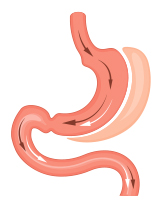
1. Restrictive obesity surgery
Surgery to limit the amount of food does not change the normal digestive system, but it does limit the amount of food consumed. The good outcome of this obesity surgery depends on the patient's performance in following the diet and reducing the amount of food consumed. He should digest food slowly and avoid drinking liquids during meals.
Types of restrictive surgeries include gastric sleeve and gastric ring surgery.
Sleeve Gastrectomy
In this procedure, which is one of the restrictive methods, which is performed by laparoscopic method, about 80% of the stomach volume is removed with a device that performs incision and connection at the same time and is removed from the obese person's abdomen by removing part of the stomach. When the hunger hormone ghrelin is secreted, the patient's appetite is reduced, and by eating a few spoonful’s of food, fullness and satiety are achieved. This process has a pronounced effect on reducing the amount of food consumed and weight loss over time.
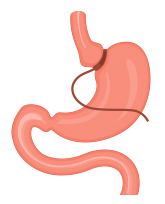
Stomach ring
In this operation, an adjustable silicone ring is placed around the beginning of the stomach, slightly below the junction of the esophagus and the stomach. The outside of the tank becomes narrower inside the tank, thus reducing the amount of food entering.
How to lose weight in obesity restrictive surgery?
Reduce the amount of food consumed:
The purpose of this operation is to reduce the volume of the stomach. This works by creating a state of reflux, preventing food from entering the stomach and the person feels that his stomach is full.
Reduce the rate of gastric emptying:
This is done by splitting the stomach and narrowing the passage of food, the food enters the embedded bag or moves slowly to the intestines.
2. Absorption surgery
Absorption surgeries, in addition to focusing on food absorption, do not limit the entry of food into the stomach. Intestinal bypass surgeries and bile and pancreas diversion fall into this category.
Intestinal bypass surgery
In this operation, the entire length of the intestine except 100 to 150 cm of the bypassed end is removed from the absorption cycle. This method is very effective in weight loss and the treatment of complications such as diabetes, but due to very severe malabsorption and lack of vitamins and proteins requires constant consumption of large amounts of supplements. Deviation of bile and pancreas In this surgery, food and pancreatic juice and bile pass through two different paths and reach each other within 100 cm of the small intestine. This method is very effective in treating obesity, but due to its high side effects, it is performed in a small number of patients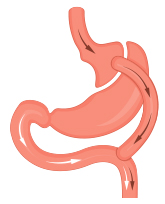
3. Combined obesity surgery
In addition to reducing and restricting food intake, combination surgery is also effective in absorbing calories in the intestines, so it has more weight loss power, and slimming will be faster and longer-lasting. Types of combination surgeries include classic gastric bypass surgery and mini-gastric bypass.
Classic gastric bypass surgery
In this surgery, in addition to reducing the volume of the stomach to 20 ccs, but also a part of the intestine is removed from the absorption system and as a result, food absorption is reduced. This method is the most standard method among different methods of bariatric surgery.
Gastric bypass surgery
In this gastric mini-bypass surgery, the small intestine is not cut and the stomach is reduced and connected to 150 to 200 cm of the small intestine. This new bypass method has fewer side effects than the previous method, but the possibility of bile reflux in this method was high, and if it is annoying, you should use the classic bypass.